Maximizing Energy Efficiency with Toyotomi Water Heaters: A Guide to Cost Savings
Energy-Efficient Water Heating Solutions and Why Toyotomi Exceeds the Standards

In today's world, technology and cultural shifts have seen the need to become more energy efficient more important than ever. These efficiencies are leading to the reduction of personal carbon footprints and saving money on utility bills, considering it a win-win situation for the customer and the environment. When it comes to water heaters, Toyotomi leads the way with its innovative and eco-friendly solutions.

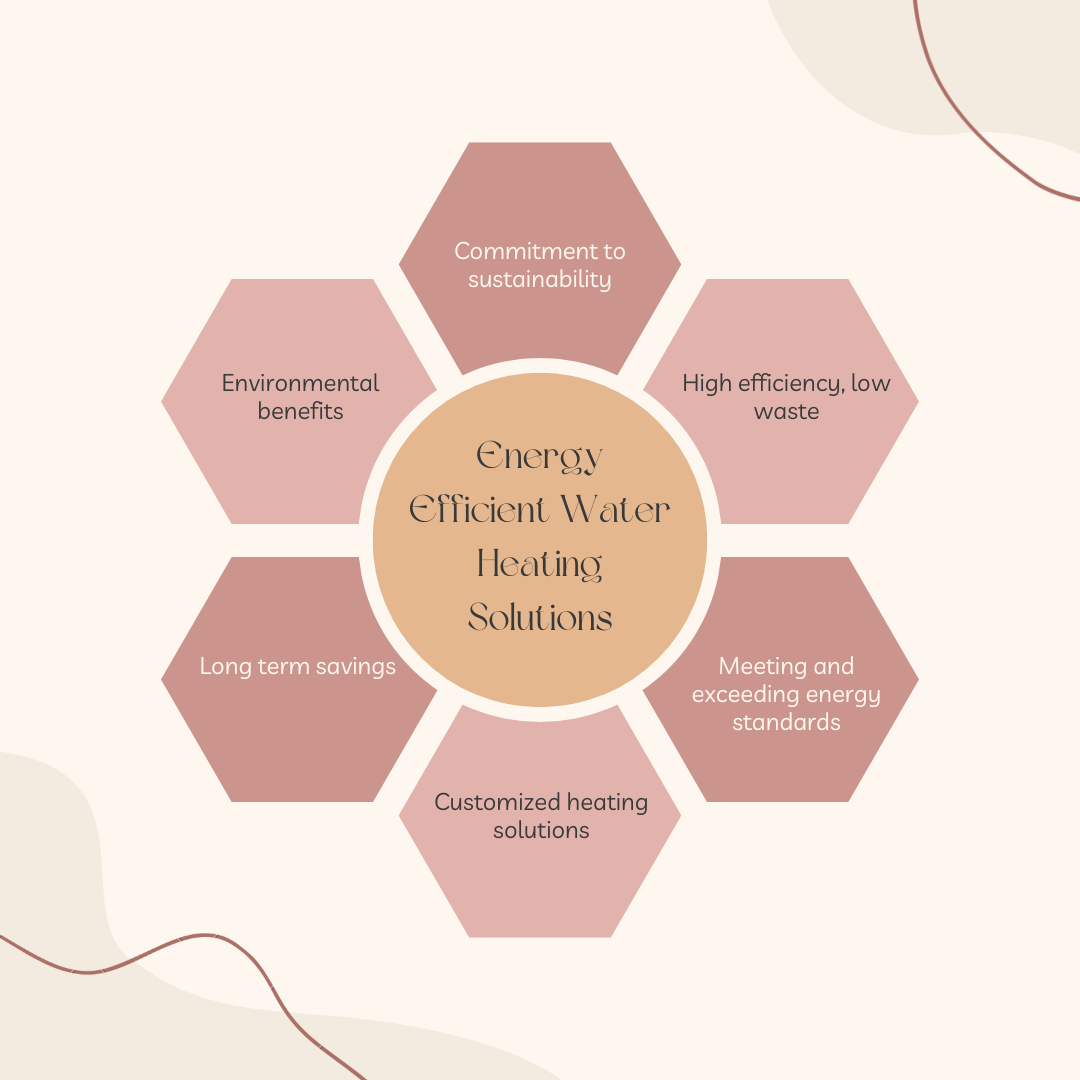
High Efficiency, Low Waste

Unlike traditional water heaters that constantly heat and reheat water in a tank, Toyotomi's tankless design only heats water when it's needed. This results in less energy waste and lower utility bills, about an average of using up to 50% less fuel for heating the same area, making it a win-win for both your wallet and the environment. This leads to the cost to operate a Toyotomi vented heating system so economical that owners enjoy annual savings of up to 50% over conventional heating systems.

Meeting and Exceeding Energy Standards

Toyotomi is committed to sustainability and energy efficiency, bolstering a 50% less CO2 emissions than traditional oil-fired heating systems. Its water heaters meet or exceed the stringent energy efficiency standards set by organizations like ENERGY STAR®. This means you can trust that your Water Heater is not only saving you money but also reducing your carbon footprint.

Customized Heating Solutions

Toyotomi Water Heaters offers customizable heating solutions to suit your needs. Whether you need a water heater for a small apartment or a large family home, Toyotomi has a model that fits. These heating systems are often smaller and weigh less than the traditional water heaters, making them for an easy to install. This flexibility allows you to choose the right size water heater for your household, further increasing energy efficiency and reducing waste.

Long-Term Savings and Environmental Benefits

Investing in a Toyotomi Water Heater is an investment in long-term savings and environmental sustainability. You get much more heat for the money than with other conventional oil-fired heating systems, as they are much less expensive to purchase, install, and operate. The cost of operating a Toyotomi vented heating system is so economical that owners enjoy annual savings of up to 50% over conventional heating systems.

With their high efficiency, customizable heating options, and commitment to sustainability, Toyotomi is leading the way in eco-friendly home appliances.


People Also Ask:

Q. What is high-efficiency whole-home heating best for in rural or extreme climates?

A. High-efficiency whole-home heating is best for reducing fuel consumption while maintaining consistent comfort in cold and remote environments. In Alaska and other northern climates, heating systems run for long seasons and often under continuous load. Upgrading to high-efficiency oil furnaces, gas boilers, or hydronic systems can reduce fuel usage by 20–30% or more depending on the installation. For rural and off-grid homeowners, efficiency also means longer fuel storage intervals, fewer deliveries, and improved system reliability in sub-zero temperatures.

Q. Who should consider upgrading to a high-efficiency heating system from Rural Energy?

A. Homeowners, contractors, and facility managers operating in cold or fuel-intensive regions should consider upgrading to high-efficiency heating systems. Rural homeowners benefit from modern direct-vent oil or gas systems that deliver more heat per gallon. Contractors serving remote clients gain dependable, code-compliant systems that reduce maintenance issues. Commercial facilities such as schools and municipal buildings often see long-term savings and improved comfort when replacing aging boilers with high-efficiency hydronic systems.

Q. Can high-efficiency oil or gas heating systems handle extreme cold conditions like Alaska winters?

A. Yes. Properly sized high-efficiency oil and gas systems are engineered to perform reliably in extreme cold environments. Modern direct-vent and sealed combustion systems draw air from outside and maintain stable operation during severe winter conditions. When installed according to manufacturer and code requirements, these systems provide dependable heat where reliability is essential for safety.

Q. Are high-efficiency hydronic systems suitable for both homes and commercial buildings?

A. Yes. Hydronic heating systems are suitable for residential, commercial, and institutional facilities. They circulate heated water through baseboards, radiant floors, or heat convectors, delivering quiet and even heat distribution. While upfront costs can be higher than some forced-air systems, hydronic systems often deliver long-term savings and consistent comfort, particularly in large or multi-zone buildings.

Q. How much energy savings can customers realistically expect from upgrading to a high-efficiency heating system?

A. Customers can often expect fuel savings in the range of 20–30%, depending on the age and condition of the existing system. Older oil furnaces and boilers typically operate at lower efficiency levels. Replacing them with modern high-efficiency models improves combustion control and heat exchange performance. Actual savings depend on insulation, system sizing, and fuel type, but even moderate gains can result in meaningful annual cost reductions in cold climates.

Q. What performance advantages do direct-vent and sealed combustion systems provide?

A. Direct-vent and sealed combustion systems improve safety, efficiency, and indoor air quality. These systems draw combustion air from outside rather than from indoor living space, reducing drafts and minimizing back-drafting risk. In tightly sealed homes or cabins, this design supports consistent heating performance and greater safety while maintaining controlled combustion.

Q. Can high-efficiency heating systems integrate with existing hydronic or baseboard setups?

A. Yes. Many high-efficiency boilers and oil-fired systems are designed to integrate with existing hydronic baseboards and piping infrastructure. In retrofit scenarios, contractors often replace only the heat source while retaining compatible distribution components. Proper evaluation of piping, controls, and heat emitters ensures optimal performance and long-term reliability.

Q. What supporting components are important for maximizing efficiency?

A. Proper venting, thermostatic controls, expansion tanks, and heat exchangers are critical for maximizing system performance. Double-wall venting improves safety and clearance flexibility. Advanced thermostats enhance temperature control and reduce cycling losses. A complete system approach ensures safe, reliable, and cost-effective operation over time.

Q. Is upgrading to high-efficiency heating worth the investment for off-grid or rural homeowners?

A. For most rural homeowners, upgrading to high-efficiency heating is a long-term investment in reliability, fuel savings, and comfort. Reducing fuel consumption extends storage intervals and lowers delivery frequency in remote areas. Efficiency upgrades also improve system stability during peak cold periods, helping offset installation costs over time.

Q. How does Rural Energy’s approach to heating efficiency differ from national HVAC retailers?

A. Rural Energy specializes in systems proven in extreme climates and remote applications. Unlike general retailers, the company focuses on oil, hydronic, direct-vent, and off-grid solutions that perform in sub-zero conditions. Customers benefit from technical documentation, parts availability, and guidance grounded in real-world northern installations, ensuring dependable field performance.


Explore Other News Vault Articles:

To top