DuraVent Stove Pipe, HVAC, and Venting Equipment

Stove Pipe Chimney Venting: Efficient and Safe Stove Operations

At Rural Energy, we prioritize quality venting systems, offering a selection of stainless steel and black stove pipes. Stainless steel variants ensure corrosion resistance and durability, while black stove pipes provide a traditional, sleek look.

Adaptable Venting Options

Choose from our single or double-wall stove pipes based on your installation needs. The double-wall option offers added insulation, ideal for spaces with limited room. Our range, sourced from top industry brands, caters to both standard and bio-fuel venting requirements, ensuring your stove's peak efficiency and safety.

Discover our stove pipe chimney venting solutions for a reliable, long-lasting, and efficient stove system.

Specialty Stove Pipe Venting Solutions:

Double Wall Stovepipe: Enhanced Safety and Performance

The DVL's double-wall, air-insulated design dramatically reduces clearances to combustibles from 18 inches to a mere 6 inches, boasting the closest wall clearance of any connector pipe. This design not only enhances safety but also improves stove performance. The stainless steel inner wall ensures rapid heating, prolonged heat retention, minimized creosote formation, and a lifespan matching the chimney. With adjustable lengths, there's no need for cutting or crimping, simplifying installation.

Pellet & Biofuels: Efficient Venting for Modern Fuels

PelletVent Pro® stands out as a durable, attractive venting system designed for wood pellet, corn, other biofuels, and oil-fueled stoves and inserts. Now UL listed in both the US and Canada, it offers a mere 1″ clearance to combustibles. Its double-wall, air-insulated construction ensures superior venting performance, making it a preferred choice for modern homes.

All-Fuel Systems: Versatile Venting for Multiple Fuels

All-Fuel systems, often termed as "Class A chimneys" or "Factory built chimneys," are tailored to vent low-heat residential appliances powered by diverse fuels like wood, coal, oil, or gas. DuraTech's All-Fuel system stands out with its Thermal Tech blanket insulation nestled between dual walls, ensuring the outer wall remains cool while maintaining optimal flue gas temperatures for consistent draft performance.

Single Wall Black Pipe: Cost-Effective and Reliable

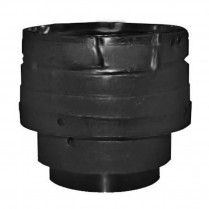
For situations where clearance isn't a concern, DuraBlack® offers an affordable, drip-free single-wall stovepipe solution. Manufactured to DuraVent's stringent standards, it comes with die-formed end fittings, eliminating the need for cutting or crimping, thanks to its adjustable lengths.

Gas Pipe: Versatile Piping for Multiple Applications

Gas piping systems transport natural gas directly from the supply to various household appliances. Comprising branch lines that lead to individual devices, they further connect to drop lines, which descend vertically to each appliance. Beyond heating, gas pipes can fuel a plethora of appliances, from hot water systems and cooking stoves to fireplaces and washing machines, underscoring their versatility in modern homes.
 
People Also Ask:

Q. What is stove pipe?

A. Stove pipe is a pipe that connects a stove to a chimney or vent. It is typically made of metal and is designed to safely and efficiently carry the exhaust gases produced by the stove out of the building.

Q. Why is stove pipe important?

A. Stove pipe is important because it helps to prevent dangerous gases, such as carbon monoxide, from entering the living space. It also helps to improve the efficiency of the stove by providing a clear path for the exhaust gases to exit the building.

Q. What materials are stove pipes made of?

A. Connector pipe for solid fuel and oil appliances is made of steel. Single wall black pipe is painted steel, and double wall uses a steel outer wall with a stainless or aluminized inner liner. Insulated all-fuel chimney is stainless steel throughout, which is what lets it handle both the temperatures and the acidic condensate found further up the flue. Aluminum is not suitable for solid-fuel stove pipe and should never be substituted, since it cannot take the flue temperatures. Aluminum appears only in certain gas venting products, and cast iron is not used for modern connector pipe.

Q. How do I install stove pipe?

A. Installing stove pipe involves connecting the pipe to the stove and the chimney or vent. It is important to follow the manufacturer's instructions and any local building codes when installing a stove pipe.

Q. Can I install stove pipe myself?

A. It is possible to install a stove pipe yourself, but it is recommended that you consult a professional installer or chimney sweep to ensure that the installation is done correctly and safely.

Q. What are the different types of stove pipes?

A. Think in two groups. Inside the room you use connector pipe, either single wall black pipe, which is the least expensive and radiates some heat into the room, or double wall, which has an air space between its walls, runs cooler on the outside and therefore needs far less clearance to nearby walls. Beyond the room you use insulated all-fuel chimney, also called Class A, for everything that passes through the building and above the roof. Separate from both, appliance-specific systems exist: pellet vent for pellet appliances and gas vent for gas.

Q. What is the difference between stove pipe and chimney pipe?

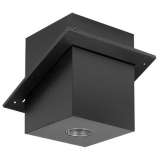
A. Stove pipe, properly called connector pipe, runs from the stove to the ceiling or wall and stays inside the room where it can be seen and swept. Chimney pipe, or Class A all-fuel chimney, takes over at that point and carries the flue through the building and above the roof. Chimney pipe is not an outdoor-only product. In most installations it runs up through a ceiling support box and the attic, with only the last section outside. Its flue diameter usually matches the connector; it is the outer casing that is larger, because insulation sits between the walls. The two are engineered for different conditions and cannot be swapped.

Q. Can a stove pipe be used as a chimney?

A. No, and the reason is worth understanding rather than taking on trust. Connector pipe is listed only for use inside the room, in open air where it can be inspected and swept. It is not rated to pass through a wall, ceiling, attic or roof, it has no listed way of being sealed and supported at a penetration, and it is not built for the cooler, wetter conditions higher up a flue where acidic condensate forms. Substituting it for chimney puts hot single or double wall metal next to concealed framing you cannot see. Use listed all-fuel chimney from the room boundary outward, joined with the support box or thimble made for it.

Q. What is a chimney liner?

A. A chimney liner is a pipe that is installed inside a chimney to improve the performance and safety of the chimney. It can help to prevent creosote buildup, improve draft, and reduce the risk of chimney fires.

Q. Which Stove Pipe Do I Need for My Appliance?

A. Start from the appliance, because the venting is dictated by what it burns. A wood stove or an oil drip stove takes connector pipe in the room, either single wall or double wall, then insulated all-fuel chimney through the building. A pellet appliance takes listed pellet vent, a sealed system built for fan-driven exhaust at lower temperature. A gas appliance takes gas vent or whatever its manufacturer specifies. Never choose by what fits the collar. A pipe that physically fits is not the same as a pipe that is approved for the appliance.

Q. What Clearance Does Stove Pipe Need to Combustibles?

A. The pipe's own listing states its required clearance, and it is printed in the instructions supplied with the product. Single wall needs considerably more room than double wall, because its outer surface runs much hotter, and that difference is often what decides whether a stove fits a space at all. Two requirements apply at once and both must be met: the pipe listing governs the pipe and the appliance label governs the stove. Meeting one does not satisfy the other. Clearance is measured to combustible material, which includes framing and trim hidden behind a finished surface, not only what you can see. Approved shielding with a ventilated air gap can reduce a distance, but only as the listing allows.

Q. What Diameter Stove Pipe Do I Need?

A. Match the diameter to the appliance's flue outlet. Reducing it restricts the flue and starves the draft, which gives a sluggish sooty burn and can push smoke into the room. Increasing it cools the flue gases, which weakens the draft and speeds up creosote formation. Six inch and eight inch cover most wood stoves, but your appliance manual is the authority for your model, and oil appliances are commonly smaller. Where the connector diameter does not match the chimney it enters, use a listed adapter at the transition rather than an improvised joint. Where a stove has been connected to an oversized masonry chimney, a liner sized to the appliance is usually the right fix.

Q. Can Stove Pipe Pass Through a Wall, Ceiling or Attic?

A. No. Connector pipe, single or double wall, must never pass through a wall, ceiling, floor, attic or any concealed space. Concealed pipe cannot be inspected or swept properly and sits close to framing you cannot see, which is exactly how a chimney fire spreads into a structure. Every penetration must be made with the listed component built for it, a wall thimble or a ceiling support box, transitioning to all-fuel chimney at that point. If you have inherited an installation where black pipe disappears into a wall or ceiling, treat it as a fault to correct before the next heating season rather than a quirk to live with.

Q. Which End of the Pipe Points Toward the Stove?

A. Assemble connector pipe so each section fits inside the one below it, which puts the crimped or male end pointing down toward the stove. Done that way, any condensate or creosote forming inside runs back down into the appliance instead of leaking from a joint and staining the wall or floor. Upside down is the most common assembly mistake and shows itself as brown streaks at the seams within a season. Double wall products often use a twist-lock joint with a marked orientation, so follow the instructions for that specific system, and fix the joints with the fasteners the manufacturer specifies rather than relying on friction.

Q. How Do I Stop Creosote Building Up in the Pipe?

A. Creosote forms when flue gases cool enough for unburned material to condense on the metal, so everything that keeps the flue hot and the combustion clean reduces it. Burn only well seasoned wood below 20 percent moisture, never trash, cardboard or painted wood. Run the stove hot enough to establish a strong draft rather than damping it right down for long overnight periods, which is the single biggest creosote producer. Keep the flue route short and straight, and consider double wall pipe, which keeps flue gases hotter than single wall does. Then inspect and sweep at least annually, more often if you burn hard all winter.

Q. What Happens if Snow or Ice Blocks the Chimney or Vent?

A. The appliance loses its draft, combustion goes incomplete and exhaust can back up into the room, which is why this is one of the most common winter service calls in Alaska. Drifting snow, ice on a cap, and snow shedding off a roof onto a sidewall termination are the usual causes. Check the cap and termination after every heavy snowfall and after any wind event that drifts snow against that side of the building. Clear it once the appliance is off and cool, using a plastic shovel or broom rather than chipping at ice with metal, and never pour hot water on it because it refreezes harder. Our guide to oil smells and their causes covers the symptoms in detail.

Q. Do I Need a Damper in the Stove Pipe?

A. It depends on the appliance and on how the chimney drafts. Many modern stoves control combustion air well enough that no pipe damper is wanted, and the manufacturer will say so. A tall chimney that overdrafts can pull too much air through the appliance, burning fuel faster than necessary and cooling the burner, and a damper is one way to manage that. Oil appliances often use a barometric draft regulator instead, which is a different device doing a related job. Follow the appliance instructions rather than fitting one by habit, since an unnecessary damper adds a restriction and one more thing to leave in the wrong position.

Q. Can I Use Stove Pipe in a Mobile or Manufactured Home?

A. Only with a system listed for manufactured homes, which is a stricter requirement than an ordinary residential installation. Those installations generally call for an appliance approved for mobile home use with an outside combustion air connection, a listed chimney system for that application, and the appliance secured to the structure. Standard single wall connector pipe is not approved for the through-the-structure portion. Because the requirements are specific and are enforced, confirm the appliance listing and the venting listing together before buying either. Tell us it is a manufactured home when you call and we will make sure the parts quoted are the right ones.

312 Results

Per Page
To top