DuraVent Stove Pipe, HVAC, and Venting Equipment

Introducing PelletVent Pro® by DuraVent, a state-of-the-art venting system designed specifically for wood pellet, corn, biofuels, and oil-fueled stoves and inserts. Crafted for longevity, safety, and aesthetic appeal, it stands out as an industry benchmark.

With its UL listing in both the United States and Canada, PelletVent Pro® ensures a minimal 1" clearance to combustibles, guaranteeing safety. The double-wall, air-insulated construction ensures optimal performance, while the corrosion-resistant superferric interior walls attest to its durability and attention to detail.

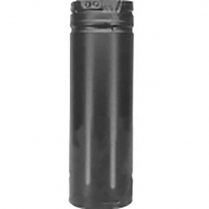
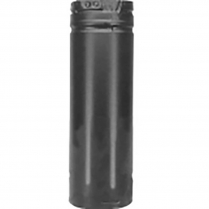
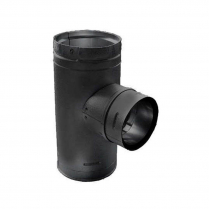
Our catalog proudly showcases Pellet and Biofuel solutions from the trusted brand, DuraVent. Whether you're in search of a clean-out tee cap or a Stove Pipe PV Tee cap, we cater to all your venting needs. Choose PelletVent Pro® for unmatched performance, safety, and design in biofuel venting.

Applications and Installation Solutions:

Applications

PelletVent Pro is a venting system designed for stoves and inserts that use wood pellets and oil fuel. It is also built to vent biofuel products such as corn, switch grass, cherry pits, soybeans, coffee husks, sunflower hulls, walnut shells and wheat, to name a few. (Rated for continuous use flue temperaftures up to 570°F.)

Materials and Construction 
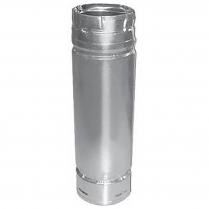
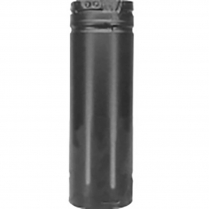
Laser-welded, double-wall pipe with a .012" inner wall of 444 stainless steel and a .018" laser-welded galvalume outer wall. Painted black exterior available. Primary metal-to-metal connection seals joint. Encapsulated o-ring provides a secondary seal.

Clearances 
1" clearance to combustibles in the USA and Canada for appliances using corn and other biofuels, wood pellets or oil.

Shrouds 
UL Listed with DuraVent shroud specifications. Information available online at www.duravent.com or call and request L157.

Diameters 
3" and 4"

Listings 
c-UL-us Listed to UL 641 (MH8381 and MH14420). 
ULC Listed to ULC S609, ULC/ORD C441 (CMH1439 and CMH1440).

Typical Installations
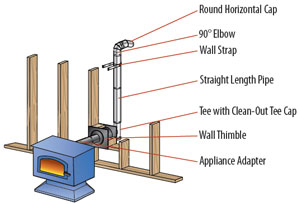
Pellet Vent Pro Installation

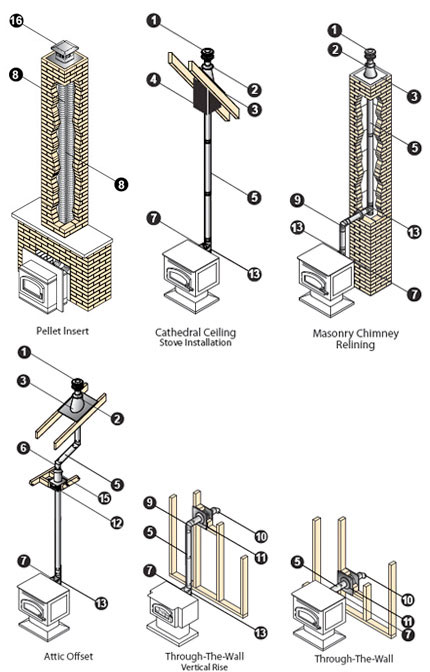
Refer to our Typical Venting Installation drawings to select the appropriate component parts for your installation.

  • The inner pipe diameter should match the outlet size of the appliance. For installations that require 4" vent and the appliance has a 3" outlet, use an Increaser Adapter 3"-4".
  • Check the appliance manufacturer's installation instructions to confirm which types of vent configurations are permitted (i.e. horizontal, vertical, chimney reline, etc.). Also, check for any venting restrictions such as maximum horizontal run, minimum and maximum vertical rise, maximum offset, etc.
  • Be fire safe! Maintain the minimum clearances (air-space) between the vent pipe and nearby combustibles, as specified in the appliance manufacturer's installation instructions. Use proper support and bracing. Follow local building codes and have your venting system inspected.

More Typical Installations

Installation Key:

1 Vertical Cap
2 Storm Collar
3 Flashing
4 Cathedral Ceiling Support Box
5 Straight Length Pipe
6 45° Elbow
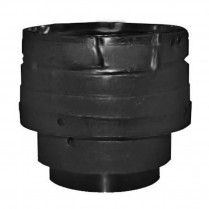
7 Appliance Adapter
8 Flex Length
9 90° Elbow
10 Horizontal Cap
11 Wall Thimble
12 Celling Support Firestop Spacer
13 Tee w/Clean-Out Tee Cap
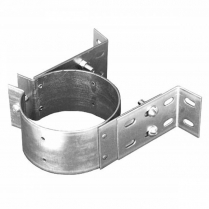
14 Wall Strap
15 Attic Insulation Shield
16 Prairie Termination Cap

Pellet Vent Installation

Planning your Installation

1. Refer to the Typical PelletVent Pro Installations diagram, on the opposite page, to be familiar with some of the standard PelletVent Pro installations and the required component parts.

2. For a horizontal termination, you will need a Wall Thimble and a Horizontal Cap. The cap must be installed with a 6" clearance to the outside wall (refer to appliance manufacturer's installation instructions for other clearances).

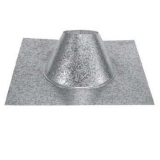
3. For a vertical termination, you will need a Cathedral Ceiling Support Box or Flat Ceiling Support, Attic Insulation Shield (if passing through an attic), Flashing, Storm Collar, and Vertical Cap.

4. Determine the length of PelletVent Pro pipe required. For a vertical termination, measure the pitch of the roof and select the proper flashing. The required minimum height above the roof is 12".

5. Pellet stove inserts in masonry fireplaces will require a flex pipe to snake the vent past the smoke shelf. For the transition from PelletVent Pro to an existing DuraPlus, DuraPlus HTC, or DuraTech Chimney, a Chimney Adapter is available.

6. For vertical rise of PelletVent Pro on the outside of the house, Wall Straps should be used at 4' intervals to provide proper support.

7. Important! Check to be sure that the appliance and the venting system are in compliance with all minimum clearance to combustible requirements.

Recommendations
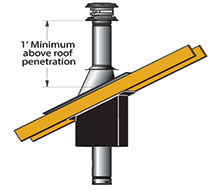
Pellet Vent Roof Penetration

The following design recommendations are a general guideline to assist in the design and selection of venting components for your installation. Always follow DuraVent Installation instructions before installing your chimney system (found with the cap or support box).

  • Size the vent to meet the appliance manufacturer's specifications.
  • Avoid long runs and excessive use of elbows. Refer to the appliance manufacturer for minimum rise and maximum run configurations for the venting system.
  • Use an Appliance Adapter to ensure a proper connection to appliance. Seal adapter to appliance with high temperature sealant.
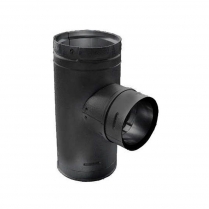
  • Use a Single Tee with Clean-Out Tee Cap to facilitate easy cleaning. It is recommended to use a tee off the back of an appliance.
  • In the United States and Canada, maintain the minimum 1" clearance (air space) from vent pipe to combustibles. Use proper support and bracing. Follow local building codes and have your venting system inspected. Be fire safe!
 
People Also Ask:

Q. What is a pellet stove pipe?

A. A pellet stove pipe, also known as a vent pipe or chimney, is a specially designed pipe system that exhausts the smoke and harmful gases produced by a pellet stove or biofuel stove out of the house.

Q. What materials are pellet stove pipes made of?

A. Listed pellet vent uses stainless steel for the inner wall, usually with a galvanized or painted steel outer wall. Stainless is not chosen for looks. Pellet exhaust is cooler and more acidic than wood smoke, so condensate forms readily inside the pipe and attacks lesser metals. Aluminum should not be used for pellet venting for the same reason, and neither should ordinary single wall black stove pipe, which is a different product for a different appliance. Buy pipe listed as pellet vent, sometimes marked type PL, and keep to one manufacturer's system so the joints and gaskets seal as designed.

Q. How does pellet stove pipe work?

A. A pellet appliance has an exhaust blower, so unlike a wood or oil stove it does not rely on natural draft to move its gases. The blower pushes exhaust through a sealed, gasketed pipe system to a termination outside. Because the system is sealed and fan-driven, it can run through a wall with a short horizontal section rather than needing a full vertical chimney, which is why pellet installations are usually simpler than wood ones. The run still needs the rise the manufacturer specifies, both to help the exhaust clear and to protect you if the power fails.

Q. Can pellet stove pipe be installed horizontally?

A. A short horizontal section through the wall is normal and is how most pellet stoves are vented, but the run should not be purely horizontal. Manufacturers specify a minimum vertical rise, and there are good reasons for it. Vertical rise gives the exhaust somewhere to go by natural buoyancy if the blower stops in a power cut, it reduces the chance of exhaust washing back against the building, and it keeps ash and condensate from sitting in a level pipe. Any horizontal portion should slope slightly upward toward the termination rather than running dead level. Follow the appliance manual for the exact rise and maximum run for your model.

Q. How often should a pellet stove pipe be cleaned?

A. The frequency of cleaning a pellet stove pipe depends on how often the stove is used. It is recommended to clean the pipe at least once a year to remove any creosote build-up and ensure proper ventilation.

Q. Can a pellet stove pipe be used for a wood stove?

A. No, a pellet stove pipe cannot be used for a wood stove. Wood stoves require a different type of pipe system designed specifically for them, namely single wall or double wall connector pipe in the room and insulated all-fuel chimney through the building. Wood produces far higher flue temperatures than a pellet appliance, and pellet vent is not built or listed for them.

Q. Can pellet stove pipe be painted?

A. Yes, a pellet stove pipe can be painted with high-temperature paint designed for use on stoves and other high-heat applications. However, it is important to follow the manufacturer's instructions for proper application and curing time.

Q. Can a pellet stove pipe be installed through a wall instead of a roof?

A. Yes, and it is the usual arrangement. Because pellet vent is a sealed fan-driven system it does not need the full vertical chimney a wood stove requires, so a wall termination is both permitted and common. Use the listed wall thimble for the penetration, keep the manufacturer's minimum vertical rise, and site the termination clear of windows, doors, air intakes, walkways and anywhere snow drifts or sheds off a roof. Plan for a winter view of it too, since a termination you cannot reach in February is one you will not check after a storm.

Q. How do I know what size pellet stove pipe I need?

A. The size of the pellet stove pipe depends on the size and output of the stove. It is important to consult the manufacturer's instructions or a professional installer to determine the correct size of the pipe for your stove.

Q. How do I install a pellet stove pipe?

A. Installation of a pellet stove pipe should be done by a professional installer or according to the manufacturer's instructions. The installation process involves cutting a hole in the roof or wall, assembling the pipe sections, and securing the pipe to the stove and the roof or wall.

Q. What Clearance Does Pellet Vent Need to Combustibles?

A. Listed pellet vent runs cooler than wood connector pipe, so its required clearance is small, often a matter of inches, but the exact figure comes from the pipe listing rather than from a rule of thumb. Use the instructions supplied with the product. Two requirements apply at once: the vent listing governs the pipe and the appliance label governs the stove, including how much room it needs at the back and sides. Clearance is measured to combustible material, including framing hidden behind a finished wall. Do not assume that because pellet vent needs less clearance than wood pipe it needs none, and never pack insulation against it.

Q. Will a Pellet Stove Work in a Power Outage?

A. No, and this is the most important difference between a pellet appliance and the rest of what we sell. A pellet stove needs electricity for its auger, its controls and above all its exhaust blower, so it stops when the power does. That is why the vertical rise in the venting matters: it gives the exhaust in the pipe somewhere to go by natural buoyancy while the fire dies down, rather than drifting back into the room. If you rely on pellet heat in a place where outages are long, plan a battery backup or generator for the stove, or keep a non-electric appliance such as a gravity-fed oil stove or a wood stove as backup.

Q. How Far Must the Vent Terminate From Windows, Doors and Air Intakes?

A. The distances come from the appliance and vent listings and from local code, and they are the rules most often broken in a retrofit. The purpose is to stop exhaust being drawn straight back into the building through an opening or a fresh air intake, and to keep the termination away from where people walk or where it can be blocked. Think about the whole year, not the day of installation. A termination that clears the ground in September can be buried in February, and one under an eave can be reached by snow sliding off the roof. Keep it away from a deck, a doorway and anywhere a drift forms, and check it after every heavy snowfall.

Q. Can a Pellet Stove Vent Into an Existing Masonry Chimney or Class A?

A. Often yes, and it is a common arrangement when a pellet stove replaces a wood appliance, but not by simply pointing the pipe into the old flue. A masonry chimney is far larger than a pellet appliance needs, so the exhaust cools, condensate forms and draft suffers. The correct approach is to run listed pellet vent, or an appropriately sized liner, all the way up inside the existing chimney and seal it at the top and bottom as the manufacturer specifies. The same principle applies to an existing all-fuel chimney. Confirm the appliance manual permits the arrangement, then size the liner to the appliance rather than to the opening.

Q. Do I Need 3 Inch or 4 Inch Pellet Vent?

A. Follow the appliance manual, because the answer depends on the stove and on the installation rather than on preference. Many pellet appliances accept 3 inch on short runs, and manufacturers commonly require 4 inch once the run gets longer, once several elbows are involved, or at higher elevations where thinner air reduces the exhaust flow. Going up a size on a long or elbow-heavy run is the usual recommendation, and going down a size is never a good idea, since restricting the exhaust upsets the combustion the stove is tuned for. Tell us the model, the total run and the number of elbows and we will confirm what the manual calls for.

Q. Why Is My Pellet Stove Puffing Smoke or Smelling Indoors?

A. On a sealed fan-driven system, smoke indoors means the seal or the flow has failed somewhere. The usual causes are a gasket or joint that has loosened, ash built up in the pipe or the appliance passages, a blocked or snow-covered termination, a failing exhaust blower, or a door or hopper seal that no longer closes tightly. Wind striking the termination can also push back against the exhaust. Shut the stove down and investigate rather than running it on, since incomplete combustion can produce carbon monoxide, and make sure the house has a working carbon monoxide alarm. Ash build-up is the most common cause by a distance, and it is the easiest to prevent with regular cleaning.

278 Results

Per Page
To top