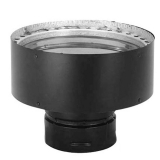
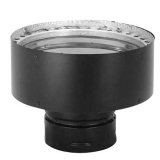
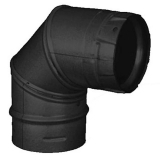
DuraVent Stove Pipe, HVAC, and Venting Equipment

Single-wall stove pipes, while being more cost-effective than their double-wall counterparts, offer the added advantage of radiating heat back into the room. They are ideal for those looking to harness the maximum heat that typically escapes up the chimney. Adding a heat reclaimer further enhances its efficiency.

Our catalog proudly features single-wall equipment solutions from the industry-leading brand, DuraVent. From single-wall stove pipes to stove pipe DB adapters, we cater to all your venting needs.

For those seeking a reliable, drip-free connection between woodstoves or oil stoves and chimneys, DuraBlack and Imperial present the perfect solution. Crafted to meticulous standards, these black pipes come with die-formed end fittings, and their adjustable lengths simplify installation by eliminating the need for cutting or crimping.

Applications and Installation Solutions:

Applications

Materials and Construction 
24-gauge steel construction. 
Lock-seamed. Painted black.

Diameter 
4" - 6"
 
People Also Ask:

Q. What is single-wall interior black stove pipe?

A. Single wall interior black stove pipe is connector pipe. It is a single layer of black painted steel that carries exhaust from the flue collar of a wood stove or oil stove up to the ceiling or across to the wall, and it stays inside the room for its entire length. That is the point of it: it remains visible and reachable, so it can be inspected and swept. It is not chimney pipe and it must never pass through a wall, ceiling, floor or attic. At the room boundary it transitions, via a listed support box or thimble, to insulated all-fuel chimney, which is the product built to pass through the building.

Q. What is the purpose of single-wall interior black stove pipe?

A. The purpose of single-wall interior black stove pipe is to provide a safe and efficient way to vent the smoke and gases produced by a wood stove or other appliance. The pipe carries the exhaust from the stove to the chimney or flue, where it is released outside the home.

Q. What are the benefits of using single-wall interior black stove pipe?

A. It is the least expensive connector pipe, it is simple to cut and fit, and because a single layer of steel radiates freely it gives back some heat into the room instead of sending it up the flue. That radiant heat is the honest trade-off at the centre of the choice. Shedding heat means the flue gases run cooler, and cooler gases condense more readily, so single wall pipe tends to build creosote faster than double wall does, not slower. It also needs considerably more clearance to nearby walls. Choose it where the room is roomy and the budget matters, and choose double wall where space is tight or the flue needs to stay hot.

Q. Can single-wall interior black stove pipe be used for a wood stove in a mobile home?

A. No, single-wall interior black stove pipe is not approved for use in mobile homes. Instead, you will need to use a specific type of venting pipe designed for mobile homes, such as double-wall or triple-wall pipe.

Q. Can single-wall interior black stove pipe be used for a gas stove?

A. No, single-wall interior black stove pipe is not recommended for use with gas stoves or other gas appliances. Instead, you should use venting pipe that is specifically designed for use with gas appliances, which means Type B vent or a sealed direct vent system. See our gas vent range. The reason is that gas exhaust is cooler and carries far more moisture, so it condenses inside pipe built for a hot dry wood flue and corrodes it from the inside where the damage cannot be seen. The same applies to pellet appliances, which need their own listed pellet vent.

Q. Can single-wall interior black stove pipe be used with a masonry chimney?

A. Yes, single-wall interior black stove pipe can be used with a masonry chimney. However, it is important to ensure that the pipe is properly sized and installed with the appropriate clearances and support brackets.

Q. Can single-wall interior black stove pipe be painted a different color?

A. Yes, provided you use a paint made for the job. Stove pipe is routinely refreshed or recoloured with high-temperature stove and grill paint rated for the temperatures a flue reaches, and ordinary household paint is not suitable and will scorch, smoke and fail. Prepare the surface properly, remove rust and grease, follow the manufacturer's application and curing instructions, and expect the first firing after painting to give off some odour as the coating cures, so ventilate the room. Painting is cosmetic and does not extend the life of the pipe, so if a section is rusting through, replace it rather than painting over it.

Q. How do I know if single-wall interior black stove pipe is the right choice for my stove?

A. The decision to use single-wall interior black stove pipe will depend on several factors, including the type of stove you have, the size and length of the pipe needed, and local building codes and regulations. It is important to consult with a professional and follow the manufacturer's recommendations to ensure proper installation and safe operation.

Q. Can single-wall interior black stove pipe be used for a fireplace?

A. No, single-wall interior black stove pipe is not recommended for use with fireplaces. Instead, you should use venting pipe that is specifically designed for use with fireplaces.

Q. Can single-wall interior black stove pipe be used with an outdoor wood stove?

A. No, single-wall interior black stove pipe is not recommended for use with outdoor wood stoves, as they typically require different types of venting systems designed to withstand exposure to the elements.

Q. Can Black Stove Pipe Pass Through a Wall or Ceiling?

A. No, never. This is the most important rule on this page. Single wall connector pipe is listed for use in open air inside the room and must not pass through a wall, ceiling, floor, attic or any concealed space. Hidden pipe cannot be inspected or swept, and it puts hot metal close to framing nobody can see, which is precisely how a chimney fire spreads into a building. Every penetration must use the listed component made for it, a wall thimble or a ceiling support box, transitioning to insulated all-fuel chimney at that point. If you have inherited an installation where black pipe disappears into a wall or ceiling, treat it as a fault to correct before the next heating season.

Q. What Clearance Does Single Wall Stove Pipe Need to Combustibles?

A. Considerably more than double wall, because a single layer of steel runs hot on its outer surface. The pipe's own listing gives the required distance and it is printed in the instructions supplied with the product, so use that rather than a figure remembered from another job. Two requirements apply at once and both must be met: the pipe listing governs the pipe and the appliance label governs the stove. Clearance is measured to combustible material, including framing and trim concealed behind a finished wall. Approved shielding with a ventilated air gap can reduce a distance, but only by the amount the listing permits. If the room will not give you the space, double wall pipe usually will.

Q. What Diameter Black Pipe Do I Need?

A. Match the diameter to the appliance's flue outlet, not to the chimney and not to what is on the shelf. Reducing the diameter restricts the flue and starves the draft, which gives a sluggish sooty burn and can push smoke into the room. Increasing it cools the flue gases and weakens the draft, which accelerates creosote. Six inch and eight inch cover most wood stoves, and oil appliances are commonly smaller, but the appliance manual is the authority for your model. Where the connector does not match the chimney it enters, use a listed adapter at the transition rather than an improvised joint, and where a stove has been fitted to an oversized masonry flue, a correctly sized liner is the usual answer.

Q. Should I Buy Single Wall or Double Wall Pipe?

A. Let the room decide. Single wall is cheaper and radiates extra heat into the space, which suits an installation with plenty of clearance and a budget to respect. Double wall earns its price where the stove sits close to a wall or in a corner and the clearance cannot otherwise be met, and where keeping the flue gases hot matters for draft, which is a genuine consideration through an Alaska winter with a cold chimney and a long season. Because double wall is often the difference between an installation being possible and not, price the whole system before choosing, rather than comparing the pipe alone and discovering later that the stove will not fit where you wanted it.

Q. Which End of the Pipe Points Toward the Stove?

A. Assemble the sections so that each one fits inside the one below it, which puts the crimped or male end pointing down toward the stove. Done that way, any condensate or creosote that forms inside runs back down into the appliance rather than leaking out of a joint and staining the wall or the floor. Fitting it the other way round is the most common assembly mistake and announces itself as brown streaks at the seams within a single season. Secure each joint with the fasteners the manufacturer specifies rather than relying on friction, and support long runs so the weight is not carried by the appliance collar.

Q. When Should Black Stove Pipe Be Replaced?

A. Inspect it every year when the chimney is swept, and replace any section showing rust holes, pitting, flaking or thinning metal, a seam that has opened, or joints that no longer pull tight. Single wall corrodes from the inside outward, so a section can look acceptable from the room while being much thinner than it appears, which is why an annual look matters more than a fixed replacement interval. What shortens its life is acidic condensate, running the stove cool or damped down for long periods, burning unseasoned fuel, and moisture sitting in the pipe over summer. Connector pipe is inexpensive relative to the appliance and the building, so replacing a doubtful section is never the wrong call.

309 Results

Per Page
To top