Boosting Efficiency with Eskabe Direct Vent Gas Heaters: Essential Tips
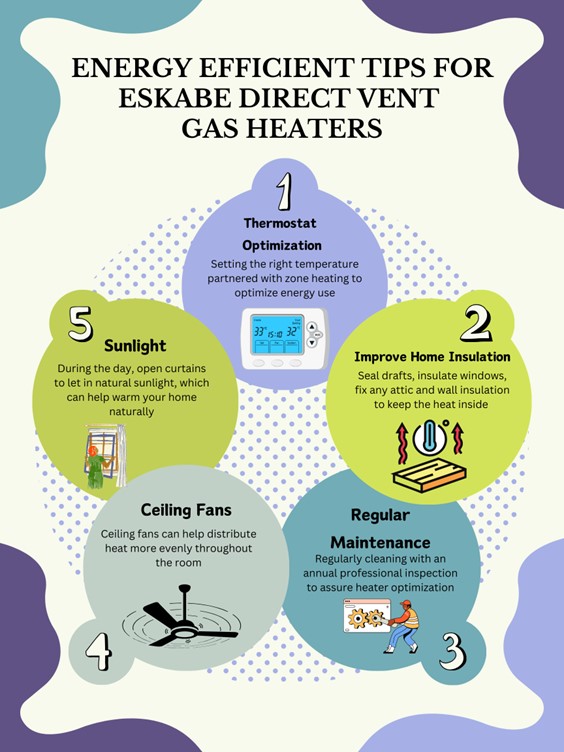
Tech Notes: Energy Efficient Tips for Eskabe Direct Vent Gas Heaters.

Eskabe Direct Vent Gas Heaters are known for their reliability and efficiency, making them a popular choice for homeowners looking to maintain a comfortable indoor environment during the colder months. To maximize the energy efficiency of your Eskabe heater, consider implementing the following tips:

Optimize Thermostat Settings

Set the Right Temperature:Keep your thermostat at a moderate temperature. A setting between 68-72°F (20-22°C) during the day and 60-65°F (15-18°C) at night can provide comfort while conserving energy. Use programmable thermostats to automatically lower the temperature when you're not at home or while you sleep.

Zone Heating:If your home has multiple heating zones, only heat the rooms that are in use. Close doors to unoccupied rooms to prevent heat loss.

Improve Home Insulation

Seal Drafts:Check for drafts around windows, doors, and other openings. Use weatherstripping and caulk to seal gaps and prevent heat from escaping. Install draft stoppers at the base of doors to reduce cold air infiltration.

Insulate Windows:

Use thermal curtains or window film to add an extra layer of insulation to your windows. This can significantly reduce heat loss.

Attic and Wall Insulation:Ensure your attic and walls are well-insulated. Proper insulation keeps warm air inside, reducing the workload on your heater.

Regular Maintenance

Clean the Heater:Dust and debris can accumulate in your heater, reducing its efficiency. Regularly clean the exterior and ensure the vents are free from obstructions. Check and clean or replace the air filter as needed as a clean filter allows for better airflow and efficiency.

Annual Professional Inspection:Schedule an annual inspection with a qualified technician. They can identify and fix any potential issues, ensuring your heater runs efficiently. Regular servicing includes checking the burner, heat exchanger, and venting system.

Ventilation and Airflow

Ensure Proper Ventilation: Make sure the direct vent system is properly installed and maintained. Blocked or leaky vents can reduce efficiency and pose safety risks. Keep furniture and other obstructions away from the heater to ensure proper airflow.

Use Ceiling Fans:Ceiling fans can help distribute heat more evenly throughout the room. Run the fan on low and in reverse to push warm air down from the ceiling.

Additional Tips

Utilize Sunlight:During the day, open curtains and blinds to let in natural sunlight, which can help warm your home naturally. Close them at night to retain heat.

Upgrade to Energy-Efficient Models:If your heater is old, consider upgrading to a newer, more energy-efficient model. Modern Eskabe heaters are designed with advanced technology to maximize efficiency.

By following these energy efficiency tips, you can optimize the performance of your Eskabe Direct Vent Gas Heater, reduce your energy consumption, and lower your heating bills. Regular maintenance, proper insulation, and mindful usage are key to ensuring your heater operates at its best, providing you with a warm and comfortable home all winter long.


People Also Ask:

Q. What is an Eskabe Direct Vent Gas Heater best for?

A. Eskabe direct-vent gas heaters are best for efficiently heating rural homes, cabins, and light commercial spaces where reliable, sealed combustion is essential. These wall-mounted gas heaters draw combustion air from outside and vent exhaust directly outdoors, reducing drafts and improving indoor air quality. When properly sized and installed, they provide steady performance in cold climates and support lower fuel consumption compared to older non-sealed systems.

Q. Who should use an Eskabe Direct Vent Gas Heater?

A. Eskabe direct-vent gas heaters are ideal for rural homeowners, cabin owners, contractors, and facility managers who need dependable, energy-efficient zone heating. Their sealed combustion design supports safe installation in tight building envelopes without ductwork. They are especially valuable in remote areas where reliable performance and efficient fuel use are critical.

Q. Can an Eskabe Direct Vent Gas Heater handle extreme cold climates?

A. Yes, Eskabe direct-vent gas heaters are designed to perform reliably in cold and remote climates when properly sized and installed. Sealed combustion protects the burner from indoor air fluctuations and helps maintain stable flame performance during sub-zero weather. Correct installation, clear venting, and routine maintenance are essential to ensure consistent, energy-efficient operation.

Q. Is an Eskabe Direct Vent Gas Heater suitable for cabins or seasonal properties?

A. Yes, Eskabe direct-vent heaters are well-suited for cabins and seasonal properties that require dependable, low-maintenance heat. Because they vent directly through an exterior wall, they do not require extensive duct systems, making them practical for smaller structures and retrofit projects. Proper thermostat settings and routine maintenance help protect against freeze damage while controlling fuel use.

Q. How energy-efficient are Eskabe Direct Vent Gas Heaters?

A. Eskabe direct-vent gas heaters are designed to maximize fuel efficiency through sealed combustion and controlled heat exchange. Drawing combustion air from outside reduces indoor heat loss and supports steady performance. Annual cleaning, proper venting, and correct thermostat use help maintain efficient operation and reduce overall fuel consumption.

Q. What results should users expect from proper maintenance of an Eskabe heater?

A. With proper maintenance, users can expect consistent heat output, improved efficiency, and longer equipment life. Routine inspection of burners, heat exchangers, and vent terminations ensures clean combustion and unrestricted airflow. Preventative maintenance is especially important in rural environments where service access may be limited.

Q. Does an Eskabe Direct Vent Gas Heater work with propane and natural gas?

A. Many Eskabe direct-vent gas heaters are available in models configured for either propane (LP) or natural gas, depending on the installation. It is important to select the correct fuel type at purchase because units are designed for specific gas pressures and components. Any conversion must follow manufacturer guidelines and local codes to maintain safe and efficient operation.

Q. What venting does an Eskabe Direct Vent Gas Heater require?

A. Eskabe direct-vent heaters require manufacturer-approved direct-vent piping that terminates horizontally through an exterior wall. The venting system draws in combustion air and exhausts flue gases in a sealed pathway. Maintaining proper clearances to combustibles and correct termination placement is essential for safety and performance.

Q. Are Eskabe Direct Vent Gas Heaters quiet and easy to operate?

A. Eskabe direct-vent heaters are designed for straightforward operation and steady performance with minimal noise. Controlled combustion and internal heat exchange help maintain quiet operation in living spaces. Once properly installed and set up with the appropriate thermostat, daily use is simple and dependable.

Q. How does an Eskabe Direct Vent Gas Heater compare to non-direct-vent wall heaters?

A. Eskabe direct-vent gas heaters offer improved safety and efficiency compared to older non-direct-vent wall heaters. Sealed combustion prevents indoor air from being used in the burn process, reducing drafts and improving indoor air quality. This design supports better fuel efficiency and makes direct-vent systems a strong long-term option for rural and off-grid heating needs.


Explore Other News Vault Articles:

To top