Unlocking the Versatility and Convenience of Electric Heaters
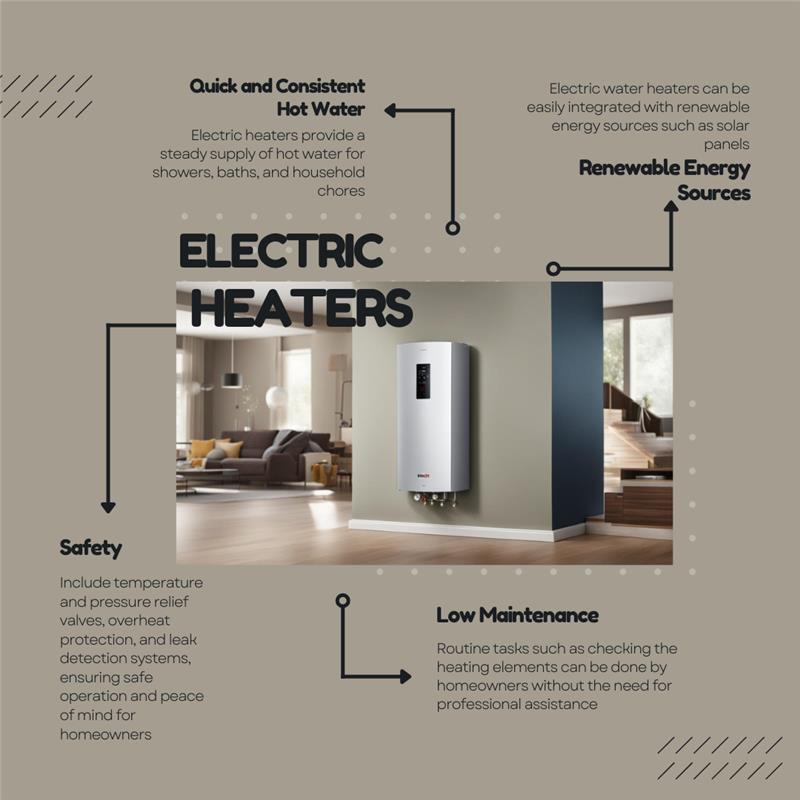
Versatility and Convenience of electric heaters

Electric water heaters have become a staple in modern homes, providing a reliable and convenient source of hot water for various household needs. Their versatility and convenience make them a popular choice among homeowners looking for an efficient water-heating solution. Let us explore the reasons behind the popularity of electric water heaters and the features that make them a versatile and convenient option.

  • Installation Options:One of the key advantages of electric water heaters is their installation flexibility. Unlike gas water heaters requiring a gas line and proper ventilation, electric water heaters can be installed in various locations, including utility closets, basements, and even under sinks. This versatility makes them suitable for homes of all sizes and layouts.
  • Energy Efficiency:Modern electric water heaters are designed to be highly energy efficient, helping homeowners reduce their energy bills. They achieve this through advanced insulation, efficient heating elements, and programmable settings that allow users to set the water temperature according to their needs. Some models even have energy-saving modes that further reduce energy consumption during periods of low usage.
  • Quick and Consistent Hot Water:Electric water heaters heat water quickly and consistently, ensuring that hot water is always available when needed. Unlike tankless water heaters, which can experience fluctuations in water temperature during high-demand periods, electric water heaters provide a steady supply of hot water for showers, baths, and household chores.
  • Low Maintenance:Electric water heaters require minimal maintenance compared to other types of water heaters. Routine tasks such as checking the heating elements and flushing the tank to remove sediment are simple and can be done by homeowners without the need for professional assistance. This minimal maintenance requirement makes electric water heaters a cost-effective choice in the long run.
  • Safety Features:Electric water heaters are equipped with a range of safety features to protect users and the unit itself. These features may include temperature and pressure relief valves, overheat protection, and leak detection systems, ensuring safe operation and peace of mind for homeowners.
  • Compatibility with Renewable Energy Sources:Electric water heaters can be easily integrated with renewable energy sources such as solar panels, further reducing their environmental impact. By harnessing the power of the sun to heat water, homeowners can reduce their reliance on traditional energy sources and lower their carbon footprint.

Electric water heaters offer a range of benefits that make them a versatile and convenient choice for modern homes. From easy installation and energy efficiency to quick and consistent hot water supply, these water heaters provide comfort and convenience for everyday use.


People Also Ask:

Q. What are electric heaters from Rural Energy best for?

Electric heaters are best for providing reliable supplemental or zone heating in homes, cabins, offices, and remote buildings where simplicity and safety matter. Electric heaters convert electricity directly into usable heat without combustion, venting, or fuel storage. That makes them well suited for rural homes, additions, garages, small apartments, and institutional spaces that need targeted warmth. For rural and remote properties, they offer a straightforward solution when you want quiet, clean heat with minimal installation complexity. They are especially useful where venting is difficult or where fuel-based systems are not practical.

Q. Who should use an electric heater in Alaska or other cold climates?

Electric heaters are a practical option for rural homeowners, cabin owners, and facility managers who need dependable, low-maintenance heat for specific rooms or smaller spaces. They are often chosen by customers who want a simple installation, no combustion emissions, and steady indoor comfort. In cabins, seasonal properties, and offices, electric heaters help maintain baseline heat or supplement a primary system during peak winter demand. For energy-conscious customers, electric heaters can support zone heating strategies, keeping occupied rooms comfortable without overheating the entire building.

Q. Can electric heaters handle remote cabin or seasonal property heating?

Yes, electric heaters are well suited for cabins and seasonal properties when properly sized for the space. Because they require no fuel tanks, flues, or combustion air, electric heaters simplify installation in smaller buildings. They are particularly effective for maintaining background heat to prevent freezing in shoulder seasons or when properties are intermittently occupied. In extremely cold regions, they are often paired with another primary heat source. Used strategically, they provide reliable, low-maintenance warmth with consistent performance.

Q. Are electric heaters suitable for both beginners and professionals?

Electric heaters are suitable for both homeowners and professional installers, depending on the model and application. Portable plug-in models are straightforward for homeowners to use, requiring minimal setup. Hardwired wall-mounted or baseboard units may require professional installation to meet electrical code and load requirements. For contractors and facility managers, electric heaters offer predictable performance, clean operation, and simplified design compared to fuel-based systems.

Q. How efficient are electric heaters compared to oil or gas systems?

Electric heaters are highly efficient at the point of use because nearly all the electricity consumed is converted directly into heat. Unlike combustion systems, there is no flue loss or exhaust heat escaping the building. That means consistent heat delivery in the room where the unit is installed. However, overall operating cost depends on local electricity rates. In many rural and remote areas, electric heaters are best used for zone heating or supplemental applications rather than whole-building heating in extreme cold.

Q. What kind of results should users expect from electric heaters?

Users should expect steady, even warmth with quiet operation and minimal maintenance. Electric heaters respond quickly and maintain consistent temperatures when paired with built-in or wall-mounted thermostats. Many models include overheat protection and tip-over safety controls, increasing reliability in homes and small commercial spaces. In properly sized rooms, they deliver comfortable heat without drafts, combustion gases, or fuel odors.

Q. Do electric heaters require venting or special fuel connections?

No, electric heaters do not require venting, gas lines, or fuel storage. They operate solely on electrical power, which simplifies installation and reduces maintenance concerns tied to combustion systems. This makes them particularly attractive in tight building envelopes or spaces where running vent pipe is impractical. For rural installations, ensuring adequate electrical capacity is the primary consideration before adding additional heating loads.

Q. Can electric heaters be used alongside oil, gas, or wood heating systems?

Yes, electric heaters work well as a supplemental heat source alongside oil, gas, wood, or hydronic systems. Many rural homeowners use them to support high-demand areas or to reduce strain on a primary furnace during extreme cold snaps. They are also helpful in additions, workshops, entryways, and garages that are not connected to the main duct or hydronic system. This layered heating approach increases comfort and gives property owners flexibility in managing energy use.

Q. Are electric heaters safe and easy to maintain?

Electric heaters are generally safe when installed and operated according to manufacturer guidelines. Because they do not burn fuel, there is no risk of combustion exhaust or carbon monoxide from the heater itself. Many models include overheat shutoff protection and stable housing to reduce fire risk when properly placed. Maintenance is minimal. Periodic dust removal and inspection of electrical connections are typically sufficient to maintain reliable operation.

Q. What types of electric heaters are available for rural homes and small facilities?

Electric heaters are available in portable, wall-mounted, and baseboard configurations to suit different layouts and heating needs. Portable models provide flexibility and spot heating. Wall-mounted units offer a permanent, space-saving solution. Baseboard heaters deliver steady convection heat along perimeter walls and are common in smaller homes, offices, and multi-room layouts. Selecting the right type depends on room size, electrical capacity, insulation level, and how the space is used throughout the year.


Explore Other News Vault Articles:

To top