Wood Stove Installation and Maintenance Guide

Wood Stove Installation and Maintenance Guide
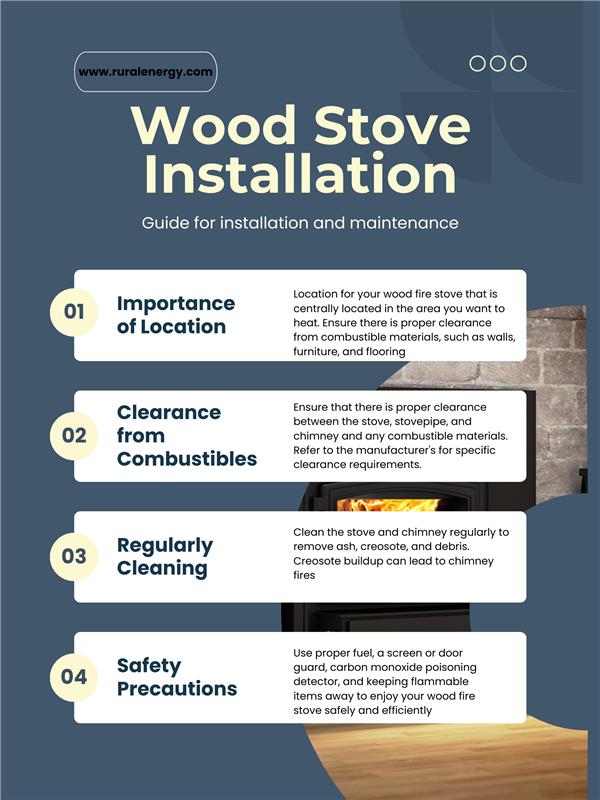
Installing and maintaining a wood fire stove requires careful attention to detail and adherence to safety guidelines. Let us provide you with a step-by-step guide on how to properly install and maintain a wood fire stove, along with tips on chimney maintenance and safety precautions.

Selecting a Location:Choose a location for your wood fire stove that is centrally located in the area you want to heat. Ensure there is proper clearance from combustible materials, such as walls, furniture, and flooring.

Installing the Stovepipe: Install the stovepipe, connecting it to the stove's flue collar. Use stovepipe sections that are the correct size and type for your stove. Ensure the stovepipe is securely attached and properly supported.

Installing the Chimney:Install a chimney that is suitable for wood fire stoves. The chimney should extend above the roofline and be at least 3 feet higher than any part of the roof within 10 feet.

Chimney Insulation:Insulate your chimney if it runs outside the house or through an unheated space. This helps to maintain proper draft and prevent creosote buildup.

Chimney Cap:Install a chimney cap to prevent debris, animals, and rainwater from entering the chimney.

Fireproofing:Use fireproof materials, such as a hearth pad, under and around the stove to protect the floor and surrounding area from heat and sparks.

Maintenance Guide:

Regular Cleaning: Clean the stove and chimney regularly to remove ash, creosote, and debris. Creosote buildup can lead to chimney fires.

Inspecting for Damage: Regularly inspect the stove, stovepipe, and chimney for any signs of damage, such as cracks or corrosion. Repair or replace damaged parts promptly.

Checking Seals: Check the seals and gaskets on the stove and stovepipe for any signs of wear or damage. Replace them if necessary to ensure proper sealing and prevent leaks.

Chimney Sweeping: Have your chimney swept annually by a professional chimney sweep to remove creosote buildup and ensure proper ventilation.

Safety Precautions:

Use Proper Fuel: Only burn seasoned hardwoods in your wood fire stove. Avoid burning green wood or treated wood, as they can produce harmful chemicals and creosote buildup.

Use a Screen:Use a screen or door guard to prevent sparks and embers from escaping the stove and causing fires.

Install Carbon Monoxide Detectors:Install carbon monoxide detectors near your wood fire stove and in sleeping areas to alert you to any buildup of carbon monoxide.

Keep Flammable Items Away:Keep flammable items such as curtains, furniture, and decorations at a safe distance from the stove to prevent fires.

By following these installation and maintenance guidelines, along with practicing proper safety precautions, you can enjoy the warmth and comfort of your wood fire stove safely and efficiently.


People Also Ask:

Q. What is an Osburn 950 Wood Stove best for in a rural Alaska home?

A. The Osburn 950 Wood Stove is best for zone heating small to mid-sized spaces with reliable, EPA-certified wood heat. In rural and cold-climate homes, a properly sized wood stove like the Osburn 950 provides dependable heat even during power outages. Its EPA-certified design improves burn efficiency and reduces emissions compared to older non-certified models. That means more usable heat from each load of seasoned wood and less creosote buildup in the chimney. For cabins, primary residences, or recreational properties, this type of stove supports the “Live Life Warm” mission by delivering steady heat without relying on electricity. When paired with a listed double-wall stove pipe and insulated chimney system, it becomes a long-term, low-maintenance heating solution built for harsh winters.

Q. Who should install a Drolet wood stove in their home or cabin?

A. A Drolet wood stove is ideal for rural homeowners, cabin owners, and preparedness-focused buyers who want reliable, wood-fired heat. Wood stoves are especially valuable in off-grid or outage-prone areas where backup heat is essential. EPA-certified Drolet models are designed for efficient combustion, making them well suited for primary heating or supplemental zone heating in northern climates. Contractors and experienced DIY installers can install these systems when following local codes, manufacturer clearances, and proper chimney requirements. In remote communities, where service access may be limited, a properly installed wood stove offers long-term independence and dependable warmth.

Q. Can a wood stove handle full-time heating in extreme cold conditions?

A. Yes, a properly sized and installed wood stove can serve as a primary heat source in extreme cold climates. In Alaska and similar regions, many rural homes rely on wood as a primary heating fuel. The key is selecting a stove with adequate BTU output for the square footage and ensuring proper chimney draft and insulation. EPA-certified units from brands like Osburn, Drolet, and Valcourt are engineered for efficient, sustained burns. Proper installation, including correct clearances, insulated chimney systems, and floor protection, ensures the stove operates safely and maintains draft even in sub-zero temperatures. With dry, seasoned firewood and routine maintenance, performance remains consistent throughout long winters.

Q. Is a wood stove suitable for both beginners and professional installers?

A. Yes, wood stoves can work for both beginners and professionals, provided installation guidelines and code requirements are followed. For homeowners with construction experience, installation is manageable when carefully following the manufacturer’s manual and local building codes. Clearances to combustibles, chimney height, and floor protection must be exact. For contractors and HVAC professionals, wood stove systems offer straightforward installation when paired with listed venting systems such as insulated chimney pipe and double-wall connector pipe. Professional installation is strongly recommended in complex layouts or tight-clearance applications to ensure safety and compliance.

Q. How efficient are modern EPA-certified wood stoves compared to older models?

A. Modern EPA-certified wood stoves are significantly more efficient and produce fewer emissions than older non-certified models. EPA-certified stoves are engineered to reburn gases and particulates, extracting more heat from each piece of wood. This increases usable heat output while reducing creosote formation inside the chimney system. For rural homeowners, that translates into lower wood consumption, improved indoor air quality, and safer long-term chimney performance. Efficiency gains also support lower operating costs over time, especially in regions where heating seasons are long and fuel usage is high.

Q. What results should homeowners expect after proper installation and maintenance?

A. Homeowners should expect steady, radiant heat, reliable winter performance, and long equipment life. When installed with correct clearances and a properly sized chimney system, a wood stove drafts efficiently and maintains consistent burn cycles. Regular ash removal, gasket inspection, and annual chimney cleaning reduce creosote buildup and maintain safety. In rural and off-grid settings, this level of reliability is critical. A well-maintained stove can provide decades of dependable service, even in demanding climates.

Q. Does a wood stove require a specific chimney or venting system?

A. Yes, a wood stove requires a listed chimney system designed for solid-fuel appliances. Most installations use double-wall connector pipe from the stove to the ceiling support box and a Class A insulated chimney system through ceilings and rooflines. Systems from manufacturers like DuraVent and Selkirk are commonly used because they are safety-tested and rated for wood-burning applications. Clearances to combustibles are reduced with listed double-wall pipe compared to single-wall options, which increases safety in tighter installations. Proper chimney height and insulation improve draft performance and reduce creosote formation.

Q. What accessories support safe and efficient wood stove operation?

A. Key accessories include stove pipe thermometers, floor protection hearth pads, chimney caps, and fire safety equipment. A stove pipe thermometer helps monitor flue temperatures and maintain efficient burn ranges. Hearth pads protect flooring from radiant heat and embers. Chimney caps prevent moisture and debris from entering the system. In rural homes, fire extinguishing devices and smoke and CO detectors add an additional layer of safety. These accessories support long-term reliability and safe daily operation.

Q. How much maintenance does a wood stove require each year?

A. A wood stove requires regular ash removal and at least one full chimney inspection and cleaning per year. Ash should be removed as needed to maintain airflow. Door gaskets should be checked annually to ensure a tight seal. Chimneys must be inspected and cleaned to remove creosote buildup, especially during heavy winter use. In colder climates with long burn seasons, mid-season chimney checks may be advisable. Consistent maintenance protects the home and ensures the stove performs efficiently year after year.

Q. How does a modern Osburn or Drolet wood stove compare to older, non-certified stoves?

A. Modern Osburn and Drolet stoves provide higher efficiency, lower emissions, and improved safety compared to older non-certified units. EPA-certified stoves burn wood more completely, reducing smoke and creosote while increasing usable heat. They are tested to meet current safety and emissions standards, which many older stoves do not meet. For rural homeowners, upgrading to a certified model often means improved fuel economy, better draft control, and easier compliance with insurance and local building codes. In extreme climates, reliability and efficiency are not optional. They are essential.


Explore Other News Vault Articles:

To top