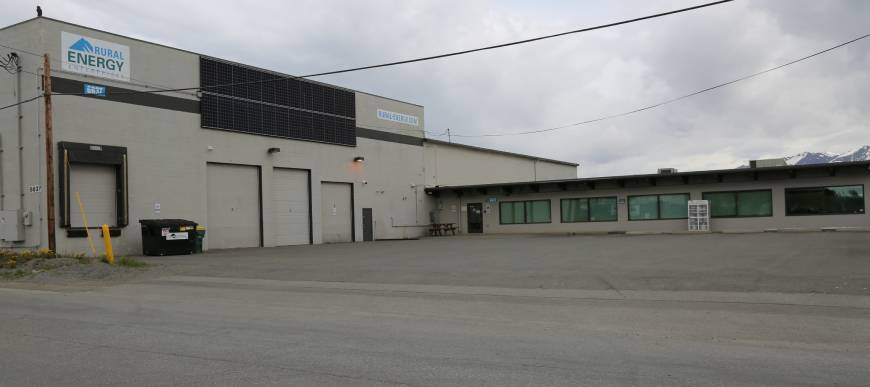
AREA(s) SERVED:
County/Borough:
Anchorage
Town/Neighborhood:
Anchorage
Zip Code(s):
99501–99524, 99529–99530, 99599
Note: Our products and services are available in Anchorage and the Anchorage County area, as well as nationwide.
Rural Energy Enterprises: Anchorage's Trusted Water Heater Supplier.
Rural Energy carries water heaters engineered for Alaska's subarctic climate, available for pickup at our Anchorage location or shipped to rural and bush communities across the state. We have served Alaskan homeowners, contractors, and remote communities for over 37 years, and every product we carry is selected to perform reliably in real-world conditions where the nearest service call is far away.
Water Heaters for Alaska's Extreme Climate
Anchorage averages 11 to 23°F in January. The record low is -38°F. Winter snowfall exceeds 75 inches. For most of the state, those numbers are moderate.
Standard residential water heaters are not built for these conditions. They lose efficiency in extreme cold, they are vulnerable to freezing in unheated spaces, and they depend on electrical systems that can fail during outages. In Alaska, especially outside Anchorage, a water heater that goes down is not a minor inconvenience. It is a safety issue.
Alaska plumbing code reflects this. Freeze protection, specific pipe burial depths, and insulated utility corridors are required in many remote and arctic communities. The right water heater choice depends on your fuel availability, your installation environment, and how far you are from the nearest technician.
We carry water heaters built to meet those standards. We know the difference between what works on paper and what works on the North Slope.
Water Heater Types We Carry
Tankless Water Heaters: Rinnai and Bosch
Tankless water heaters deliver hot water on demand, eliminating standby heat loss from a storage tank. For Anchorage homes with natural gas service, they are one of the most efficient options available.
Rinnai (RL and EX series) is our primary tankless line. Rinnai units are high-efficiency, available in natural gas and propane configurations, and rated for Alaska's climate. The EX series is a direct-vent wall furnace design well-suited to tight installations in older Anchorage homes and cabins. The RL94I is a popular model with strong search traction in our market, built for high-demand households.
Bosch offers compact, reliable units for homes and remote cabins where space and simplicity matter.
Tankless units are well suited for: Anchorage homes on natural gas, energy-efficient retrofits, and properties where space is limited. They are not the right choice for locations where electrical power is unreliable, as most require electricity to operate.
Oil-Fired Water Heaters: Toyotomi
For extreme cold and off-grid reliability, oil-fired water heaters are the most dependable choice in Alaska.
Toyotomi oil water heaters are a cornerstone of our lineup. The OM-122DW is a stainless steel heat exchanger unit that heats up to 240 gallons per hour, well-suited for homes, mobile homes, and light commercial applications. The OM-128HH Oil Miser Hydronic Heater extends that performance to hydronic heating systems.
Oil maintains stable combustion performance at temperatures where propane vapor pressure begins to drop. And because Toyotomi oil units operate without electricity, they continue to provide hot water during power outages, a critical advantage in rural Alaska where the power grid is unreliable or nonexistent.
Oil-fired units are the right choice for: rural properties, off-grid cabins, remote work camps, commercial and institutional buildings in areas without natural gas service, and any location where non-electric operation is a priority.
Propane Water Heaters
Propane is a practical fuel choice for rural cabins and properties without natural gas service. We carry propane-compatible models across our Rinnai and other lines.
One important Alaska-specific note: propane loses vapor pressure as temperatures approach -44°F. In extreme cold, tank management and proper insulation of propane lines and tanks matter. For locations that regularly drop well below -40°F, oil-fired equipment is generally the more reliable long-term choice.
Propane units are well-suited for rural cabins, seasonal properties, and locations with existing propane infrastructure where winter lows stay above -40°F.
Serving Anchorage and Rural Alaska
Anchorage Pickup
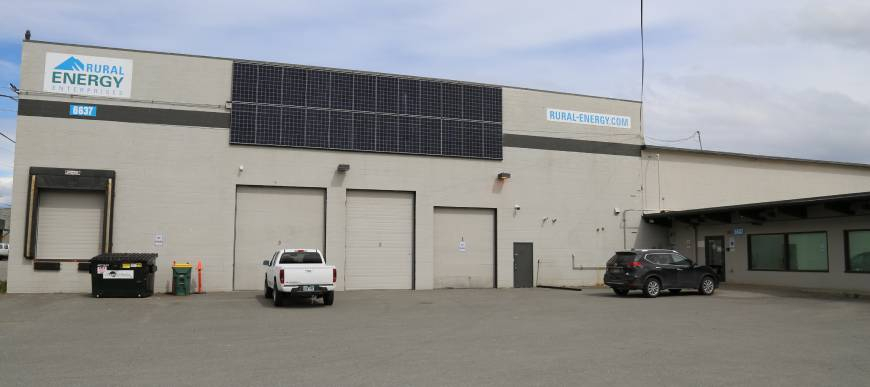
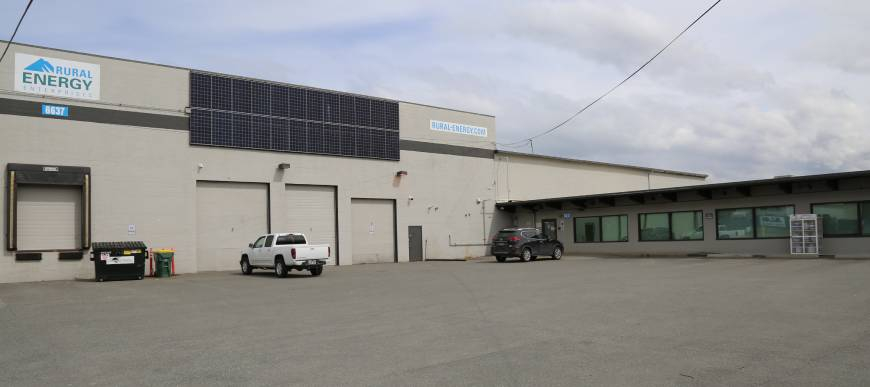
Our Anchorage location serves homeowners and contractors throughout the municipality. We regularly supply customers from Midtown, Spenard, Dimond, South Anchorage, Abbott Loop, Hillside, Muldoon, Turnagain, Airport Heights, Fairview, and Eagle River. If you are a contractor sourcing equipment for multiple jobs or a homeowner replacing a failed unit, we can confirm availability by phone before you make the drive.
Statewide and Bush Shipping
We ship water heaters across Alaska, including to communities that have no piped water or sewer infrastructure. Roughly 200 Alaska communities rely on water haul systems and point-of-use solutions. We understand what those communities need and how to get equipment there.
If you are sourcing a water heater for a remote cabin, a rural property, a hunting or work camp, or a community building far off the road system, call us. We will help you select the right unit for your fuel source and installation environment, and we will get it to you.
This is what "Live Life Warm" means in practice.
How to Choose the Right Water Heater for Alaska
The right water heater for an Anchorage home is not the same as the right water heater for a cabin in the Interior. Here are the factors that matter most.
Fuel availability. Natural gas is available in Anchorage and a few larger communities. Most rural Alaska properties run on heating oil or propane. Match the water heater to the fuel you have.
Freeze protection. Any water heater installed in an unheated space, an arctic entry, or a utility room in an extremely cold climate needs proper insulation, freeze protection, and code-compliant installation. Discuss clearances and installation requirements before purchasing.
Non-electric operation. If your location experiences outages or has no grid connection, choose a unit that does not require electricity to operate. Toyotomi oil-fired units meet this requirement. Most tankless units do not.
BTU output and household size. Larger households and high hot-water-demand applications require higher BTU output. We can help match the right capacity to your needs.
Installation clearances. Many Alaskan cabins and rural structures have tight spaces. Verify clearance requirements for any unit before purchase. Double-wall venting can significantly reduce clearance-to-combustibles requirements.
| Type | Best For | Fuel | Non-Electric | Cold-Climate Rating |
|---|---|---|---|---|
| Tankless (Rinnai / Bosch) | Anchorage homes, efficiency retrofits | Natural gas / Propane | No | Good to approx. -20°F |
| Oil-fired (Toyotomi) | Extreme cold, off-grid, rural | Heating oil | Yes | Excellent |
| Propane tank units | Remote cabins, no gas line | Propane | No | Good; manage tanks above -44°F |
Shop Water Heaters at Rural Energy
Browse our full water heater selection online, visit us in Anchorage, or call to confirm availability and bush delivery options. We will help you find the right unit for your fuel source, your climate, and your installation.
Rural Energy Enterprises, Anchorage, AK. Serving Alaska for over 37 years. Live Life Warm.
Map of Anchorage, AK
Frequently Asked Questions: Water Heaters in Anchorage, AK:
Q. What type of water heater works best in Alaska's extreme cold?
A. Oil-fired water heaters perform most reliably in extreme cold Alaskan conditions. Oil maintains stable combustion at temperatures where propane vapor pressure begins to drop, and oil-fired units like the Toyotomi OM-series operate without electricity, an important advantage when power is unavailable. For Anchorage homes on natural gas with reliable power, high-efficiency Rinnai tankless units are a strong choice.
Q. Does Rural Energy ship water heaters to rural Alaska communities?
A. Yes. We ship water heaters statewide, including to bush communities and locations without road access. We have been supplying rural and remote Alaskan communities for over 37 years. Call us to confirm availability, freight options, and lead times for your location.
Q. Can I pick up a water heater at your Anchorage location?
A. Yes. Our Anchorage location carries water heaters and heating equipment available for same-day pickup, subject to stock. We serve customers from across the Anchorage Bowl and the Mat-Su Valley. Call ahead to confirm your model is in stock before making the trip.
Q. What is the best tankless water heater for an Anchorage home?
A. The Rinnai RL and EX series are our most recommended tankless units for Anchorage homes. They are high-efficiency, available in natural gas and propane configurations, and have a strong track record in Alaska's climate. The right model depends on your household size, fuel type, and installation space. We are happy to help you select the right fit.
Q. How do I protect my water heater from freezing in Alaska?
A. Install water heaters in conditioned or well-insulated spaces where possible. For units in unheated areas such as arctic entries, utility sheds, or crawl spaces, insulate all exposed piping, install a drip valve or recirculation system, and verify that your installation meets Alaska plumbing code freeze protection requirements. Oil-fired units with non-electric operation add an additional layer of reliability during power outages.
Q. What is the difference between an oil-fired and propane water heater for Alaska?
A. Both are viable for remote Alaska properties, but they behave differently in extreme cold. Oil-fired water heaters maintain performance at temperatures well below -40°F and can operate without electricity. Propane water heaters are convenient where propane infrastructure is in place, but propane begins to lose vapor pressure near -44°F, which can affect performance without proper tank insulation and management. For the coldest parts of Alaska, oil-fired is the more reliable long-term choice.
Q. Does Rural Energy carry Rinnai water heaters in Anchorage?
A. Yes. Rinnai is one of our primary tankless water heater lines. We carry models from the RL and EX series, available in natural gas and propane configurations. Stock varies. Call us to confirm availability of a specific model.
Q. How long do water heaters typically last in Alaska's climate?
A. A well-selected and properly installed water heater in Alaska will typically last 10 to 20 years, depending on unit type, water quality, and maintenance. Oil-fired units like the Toyotomi OM-series are built with stainless steel heat exchangers designed for years of trouble-free operation in demanding environments. Tankless units generally have longer service lives than traditional storage-tank heaters when maintained properly.
Q. Does Rural Energy carry Toyotomi water heaters in Anchorage?
A. Yes. Toyotomi is one of our core water heater lines. We carry the Toyotomi OM-series oil-fired water heaters, including the OM-122DW and the OM-128HH Oil Miser Hydronic Heater. These are non-electric, oil-fired units designed for Alaska's climate and extreme cold conditions. Call +1-907-278-7441 to confirm current Toyotomi stock and available models.
Q. What size water heater do I need for my Alaska home?
A. The right size depends on your household size and peak hot water demand. As a general guide, a household of 1–2 people typically needs 30–40 gallons of storage capacity or a tankless unit rated for 2–3 GPM. A household of 3–5 people typically needs 50–80 gallons or a tankless unit rated at 4–6 GPM. For remote or rural properties with high demand, including laundry, multiple bathrooms, or hydronic loops, a higher-capacity unit or combination system may be needed. Call our team at +1-907-278-7441 with your household size and usage details for a specific recommendation.
OUR PREMIERE BRANDS: