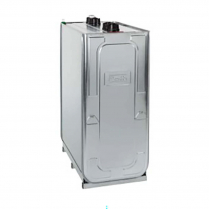
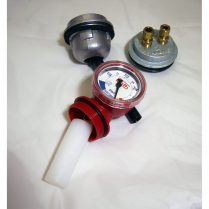
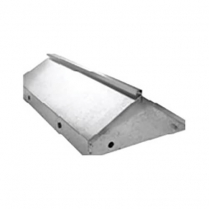
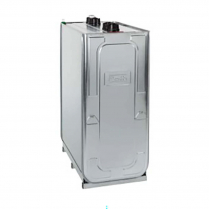
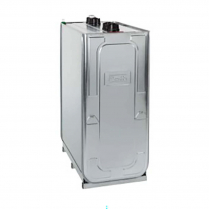
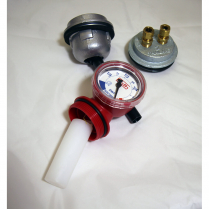
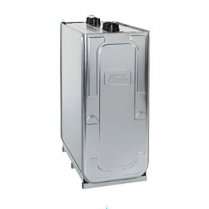
Roth Double-Wall Heating Oil Tanks: Safety & Reliability

Non-electric oil stoves are a great option for homes that are off-grid or that experience frequent power outages. They are also a good choice for homes that need backup heat during cold weather.

Heating oil is a highly efficient and cost-effective heating fuel. It produces more heat per gallon than other popular fuels like natural gas and propane, which means that homeowners can heat their homes with less oil. This can lead to significant savings on heating bills.

In addition to its efficiency, heating oil offers widespread availability, reliability, and comfort, making it an advantageous choice for heating purposes. One of the notable advantages is the ease of finding heating oil suppliers, even in rural areas. Moreover, heating oil is a dependable fuel option as it remains unaffected by price fluctuations experienced by other fuel types, like natural gas, enabling more predictable heating cost budgeting. Additionally, heating oil provides a superior level of comfort by generating higher heat output compared to alternative fuels, ensuring swift and efficient warming of your home during the winter season. Collectively, the efficiency, reliability, and comfort offered by heating oil make it a highly recommended option for residential heating needs. When considering heating options for your home, heating oil is certainly worth serious consideration.

Non-Electric equipment solutions in our catalog include products from the leading brand NordicStove.

Whether you need 6,000 BTU for a small cabin or something more powerful such as a 40,000 BTU for something larger, we have everything in between to fit those needs.
 
People Also Ask:

Q. What is an oil stove?

A. An oil stove is a heating device that burns oil, typically either paraffin or fuel oil, to produce heat. It can be used as a primary or supplemental heating source in homes, cabins, and other spaces.

Q. Are oil drip stoves safe?

A. Oil drip stoves are a very safe way to heat a home. Heating oil is a stable combustible liquid with a high flash point, not a volatile one. It will not explode, and a lit match dropped into a container of it goes out rather than igniting the fuel, which is why the burner has to vaporise the oil to light it at all. That stability is the reason oil heat has such a strong safety record, and it is a genuine advantage over pressurised fuels. As with any appliance that burns fuel, safety depends on correct installation, adequate clearances, a properly sized and maintained chimney, annual servicing and a working carbon monoxide alarm.

Q. Can I install my oil stove using the existing masonry chimney?

A. It is possible to install your oil stove using the existing masonry chimney. Masonry chimneys usually have a much larger diameter. You will therefore need to install a stainless-steel liner with a diameter matching the flue diameter of the oil drip stove in your existing masonry chimney. If this is not done, you will probably end up with draft problems.

Q. How does the chimney height affect the performance of a NordicStove?

A. Both the chimney height and construction are critical to the NordicStove performance. A short chimney will not pull adequate combustion air into the burner creating a smoky sooty burn. A tall chimney will pull too much air into the burner, which cools the burner and causes carbon accumulation. The chimney height for the NordicStove should be between 10 and 16 feet.

Q. Can my stove function without electricity?

A. Absolutely. Since the stove is gravity fed, no electricity is required. Exception: If the oil tank is lower than the stove an electric pump is needed to bring the oil to the burner, you will not be able to operate the stove without electricity, unless you use a generator to activate the pump.

Q. Do I need a floor protection?

A. In most installations yes, and the requirement comes from the stove rather than from a rule of thumb. Every listed stove states the floor protection it needs, both the type and how far it must extend beyond the appliance, and some specify a minimum R-value rather than simple ember protection. A stove standing on a genuinely non-combustible surface such as a concrete slab may need nothing further. Any combustible floor needs protection, and that includes wood and laminate as well as carpet, vinyl and other synthetics. Check the manual before buying a pad, because the required dimensions in front of the fuel door are commonly larger than people expect and a pad that is too small cannot be fixed later without moving the stove. If you are unsure what your floor counts as, treat it as combustible.

Q. How does an oil stove work?

A. Oil stoves work by burning oil in a combustion chamber and using a heat exchanger to transfer the heat to the surrounding air. The heated air is then circulated throughout the room by a blower or fan or thermal transfer on non-electric units.

Q. Are there different types of oil stoves?

A. Yes, several different types of oil stoves are available on the market today, including freestanding models, wall-mounted units, and inserts that can be installed into existing fireplaces.

Q. What are the benefits of using an oil stove?

A. Oil stoves offer several benefits over other types of heating systems, including high-efficiency ratings, low emissions, and easy maintenance. They also provide reliable heat on non-electric units during power outages.

Q. How do I choose the right size oil stove for my home?

A. To choose the right size oil stove for your home, you'll need to consider factors such as the square footage of your space, ceiling height, insulation levels, and climate zone. A professional HVAC contractor can help you determine the appropriate size for your needs.

Q. What is the difference between input and output BTU?

A. Input BTU refers to the amount of energy that a heating appliance consumes or requires to operate, while output BTU refers to the amount of heat energy that the appliance produces or delivers into a space. In other words, the input BTU is the total energy that the appliance consumes to produce heat, which includes losses due to inefficiencies such as combustion, venting, or heat transfer through the appliance's walls. Output BTU, on the other hand, represents the actual usable heat that is delivered to the room or space being heated.

Q. What Is the Difference Between #1 and #2 Fuel Oil?

A. No. 1 fuel oil is like a heavier version of kerosene. This means it has a higher boiling point, is more viscous and is less refined than kerosene. In comparison with No. 2 fuel oil, it is a bit lighter. No. 2 fuel, also known as “home heating oil” or “regular fuel oil”, is like diesel fuel and is used to fuel household boilers and furnaces.

Q. Can the stove be set on low and left unattended for long periods?

A. No, this can be problematic. The temperature of the combustion gas determines the vacuum in the chimney. If the temperature drops, this will lower the combustion gas temperature. This reduces the vacuum and creates a sooty burn. This problem is compounded if the combustion air comes directly from outside. If enough heat is removed from the chimney, the water vapor will change to liquid water or possibly ice. Conversely, if the temperature increases, the building may reach very high temperatures.

Q. What Clearances Does an Oil Drip Stove Need to Walls and Furniture?

A. Every listed stove is tested with its own required clearances to combustible walls, and those distances appear on the appliance label and in the manual. They differ by model, so a clearance you remember from an older stove does not transfer to a new one. Clearances also differ front to back and side to side, because the firebox does not radiate evenly. Approved shielding with a ventilated air gap can reduce a required distance, but only by the amount the manufacturer or the shield listing allows, and only when it is built exactly as specified. Remember that furniture, stacked firewood, fuel containers, curtains and drying laundry all need distance too. Radiant heat can char and eventually ignite nearby material over a season even though nothing ever touches the stove.

Q. What Stove Pipe Does an Oil Drip Stove Need?

A. Two separate products do two separate jobs, and mixing them up is the costliest mistake in an installation. Connector pipe runs from the stove outlet to the ceiling or wall and stays inside the room. From that point outward you need insulated all-fuel chimney, often called Class A, which is what passes through the building and carries the flue above the roof. Connector pipe must never serve as the chimney and must never pass through a wall, ceiling or attic. Match the diameter to the stove's flue outlet, because reducing it starves the draft, and a gravity-fed oil stove depends entirely on draft to run clean. Keep horizontal runs short and maintain a continuous upward slope to the chimney.

Q. Can an Oil Drip Stove Vent Out a Sidewall Instead of Up a Chimney?

A. Generally no, and this is the single most common misunderstanding about this category. A gravity-fed drip stove has no fan to push exhaust, so it relies on a vertical chimney to create the natural draft that pulls combustion air through the burner. Take the vertical rise away and the burn goes sooty and unreliable. If a vertical chimney is genuinely impossible in your building, the right product is a direct vent oil furnace, which is engineered around a sealed sidewall terminal and a powered or balanced flue instead. Choose the appliance to suit the venting your building can accommodate rather than trying to force a drip stove into a sidewall installation it was never designed for.

Q. Should I Buy an Oil Drip Stove or a Direct Vent Heater?

A. It comes down to power and venting. A drip stove needs no electricity at all, which is why it suits off-grid cabins and anyone who wants heat that keeps running through a multi-day outage, but it does need a vertical chimney. A direct vent heater vents through a sidewall and offers thermostatic control and a cleaner installation, but most models need power to run. If your building already has a chimney, or if grid reliability is your main worry, the drip stove is usually the answer. If you have reliable power and no chimney, direct vent is. Our Alaska comparison guide works through the trade-offs in more detail.

Q. Where Should the Fuel Tank Go, and How High Does It Need to Be?

A. A gravity-fed stove takes its fuel by gravity, so the tank must sit above the burner, and the manufacturer specifies the head height the metering valve needs to feed correctly. Too little height and the stove starves. Too much and the valve can be overwhelmed. Where the tank has to sit lower than the stove, an electric transfer pump is required, and that reintroduces the very dependency on power most buyers chose this stove to avoid, so plan the tank position first. Outdoors, keep the tank on a stable level base clear of roof shedding and drifting snow, and give yourself safe year-round access for the fuel delivery. Follow local rules on tank placement, containment and separation distances.

Q. Which Fuel Should I Burn in an Alaska Winter?

A. Follow the manufacturer's specification first, because the metering valve and burner are designed around a particular fuel and viscosity. Beyond that, cold-flow behaviour is what matters here. Heavier fuel thickens as temperature drops and can gel in an outdoor tank or a long supply line, starving the burner exactly when you need it most. That is why many rural Alaska installations with outdoor tanks run a lighter fuel, or blend, through the coldest part of the season. Anti-gel additives help, but only in the small measured quantities the manufacturer permits, since excess additive upsets the air-to-fuel ratio. Keep the line short, protected and sloped, and store fuel clean, because water and sediment cause more winter failures than cold alone.

Q. How Often Does an Oil Drip Stove Need Servicing?

A. Plan on a full service once a year, before the heating season rather than after the first cold snap when everyone calls at once. That service means cleaning the burner pot and combustion chamber, checking and cleaning the flue and chimney, replacing the fuel filter, and confirming the metering valve is feeding correctly. Between services, keep an eye on the burn itself. A clean flame is the best diagnostic you have. Carbon build-up in the pot, soot on the glass or a lazy yellow flame all say the air-to-fuel balance has drifted, and running on in that state wastes fuel and accelerates the build-up. Stoves run hard through an Alaska winter, or fed marginal fuel, will want attention more than once a season.

Q. Why Is My Oil Stove Burning Sooty or Smelling of Oil?

A. Nearly always a draft or air-to-fuel problem rather than a broken stove. The usual causes are a blocked or snow-covered flue, a chimney that is too short or too tall for the appliance, a carboned-up burner pot, a fuel-metering setting that is too rich, or wind striking the chimney termination and spoiling the draft. Because these stoves depend on natural draft, anything that disturbs the flue shows up immediately as soot and odour. Our guide to troubleshooting and preventing oil smells works through the checks in order. Treat a strong or persistent smell as urgent rather than routine, since incomplete combustion can produce carbon monoxide, and shut the stove down and ventilate if it will not clear.

Q. Do I Need a Carbon Monoxide Alarm With an Oil Stove?

A. Yes. Every home with any fuel-burning appliance should have working carbon monoxide alarms, and that includes a non-electric oil stove. Carbon monoxide has no colour and no smell, so an alarm is the only reliable warning you will get. Fit alarms outside sleeping areas and on each level, test them at the start of every heating season, and replace them at the interval the manufacturer states, since the sensors age out even when the unit still powers up. Choose battery or battery-backed units so they keep working through the outages this stove is often bought to ride out. If an alarm sounds, ventilate, get everyone outside, and do not restart the stove until the cause has been found.

Q. Can One Oil Stove Heat a Whole House?

A. In an open, well-insulated single-storey home or cabin, often yes. In a house with a closed floor plan, long hallways or multiple levels, a single stove will heat its own room well and the far rooms poorly, because a non-electric stove distributes heat by radiation and natural convection with no ductwork to move it. Heat also rises, so an upper floor above the stove tends to run warm while a back bedroom on the same level runs cold. Options are to size and site the stove for the space you actually need warm, to leave interior doors open and encourage circulation, or to run a second appliance in the distant zone. Tell us your layout and we will tell you honestly which applies.

55 Results

Per Page
To top